
Personal Credit Guide for Business Owners: How to Strengthen Your Financial Profile and Prepare for Future Opportunities

When business owners think about growth, they usually focus on increasing sales, attracting more customers, or improving day-to-day operations.
While those are all essential, there’s another factor that can have a significant impact when it's time to secure financing: your personal credit.
Many people associate personal credit only with credit cards or personal loans. However, it can also play an important role in the financing options available to your business—especially during its early stages.
Understanding how personal credit works allows you to prepare ahead of time, make informed financial decisions, and position your business for future opportunities.

1. Why Does Personal Credit Still Matter?
One of the questions I hear most often is:
"If I'm applying for financing for my business, why does my personal credit matter?"
The answer depends on the type of financing you're seeking and where your business is in its growth journey.
For newer businesses that are still building their own financial history, many lenders also consider the owner's personal credit profile as part of the approval process.
That doesn't mean personal credit is the only factor.
Lenders also evaluate your business revenue, cash flow, time in business, and overall ability to repay.
However, having a strong personal credit history can expand your financing options and help you qualify for better terms.

2. What Is a Credit Score?
A credit score is a snapshot of your financial history.
Its purpose is to show lenders how you've managed your financial obligations over time.
Most credit scores range from 300 to 850.
The stronger your credit history, the more confidence lenders have in your ability to repay borrowed funds.
Rather than chasing a perfect score, your goal should be to build healthy financial habits that improve your profile over time.

3. The Five Factors That Affect Your Credit Score
Your credit score doesn't change randomly.
It is primarily based on five key factors.
1. Payment History
This is the most important factor.
Making your payments on time consistently demonstrates financial responsibility and strengthens your credit profile.
2. Credit Utilization
It's not only about how much credit you have available.
It's also about how much you're using.
As a general rule, keeping your credit utilization below 30% of your available credit is considered healthy.
3. Length of Credit History
Time matters.
Older accounts with a positive payment history help build a stronger credit profile.
4. Credit Mix
Managing different types of credit responsibly—such as credit cards, auto loans, or installment loans—shows lenders that you can handle multiple financial obligations.
5. New Credit Applications
Each time you apply for new credit, a hard inquiry may appear on your credit report.
That's why it's best to apply only when there's a clear financial strategy behind the decision.

4. What Credit Score Are Lenders Looking For?
Every financing program has its own underwriting guidelines.
However, these general ranges can help you understand where you stand.
Below 600
Financing options become more limited, and available programs may come with higher interest rates or stricter requirements.
Around 650
Many business financing programs begin considering applicants within this range.
680 or Higher
This score often improves your eligibility for a wider variety of financing programs, including many SBA-backed loan options, depending on your overall business profile.
720 or Higher
A strong credit profile generally provides greater negotiating power and access to more competitive rates and terms.
Remember, lenders evaluate the complete financial picture—not just your credit score.

5. Where Can You Check Your Credit Score?
The good news is that monitoring your credit has never been easier.
Some of the most reliable resources include:
AnnualCreditReport.com, where you can access your official credit reports.
Credit Karma, which provides free credit monitoring and score updates.
Many banks and credit card issuers now include free credit score monitoring through their mobile apps.
Reviewing your credit regularly allows you to identify opportunities for improvement and catch reporting errors before they become bigger issues.
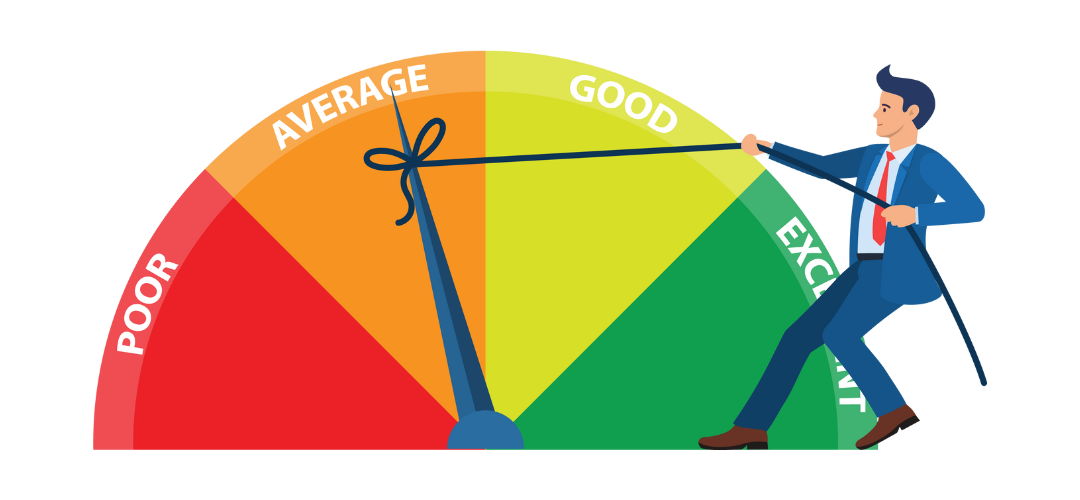
6. Five Practical Ways to Improve Your Credit
Improving your credit score doesn't happen overnight.
It happens through consistency.
Here are five habits that can make a meaningful difference.
1. Always Pay On Time
Your payment history carries the greatest weight in your credit score.
If necessary, set up automatic payments to avoid missing due dates.
2. Keep Credit Card Balances Low
Using credit responsibly is important.
Try to keep your balances well below your available credit limits whenever possible.
3. Keep Older Accounts Open
Long-standing accounts with positive payment history add strength to your credit profile.
4. Apply for New Credit Strategically
Only apply for new credit when it aligns with your financial goals or business strategy.
5. Review Your Credit Reports Regularly
Mistakes happen.
Checking your reports periodically allows you to dispute inaccuracies and maintain a healthier credit profile.
Final Thoughts
Prepare Today for Tomorrow's Opportunities
In my experience, the businesses that make the strongest financial decisions aren't always the ones with the most resources.
They're the ones that prepare before opportunities—or challenges—arrive.
Understanding how personal credit works allows you to plan ahead and strengthen your financial position long before you need financing.
The goal isn't to achieve a perfect credit score.
The goal is to build a financial profile that gives you more options, greater flexibility, and the confidence to make strategic decisions as your business grows.
