
Everything You Need to Know About Equipment Financing in the U.S.
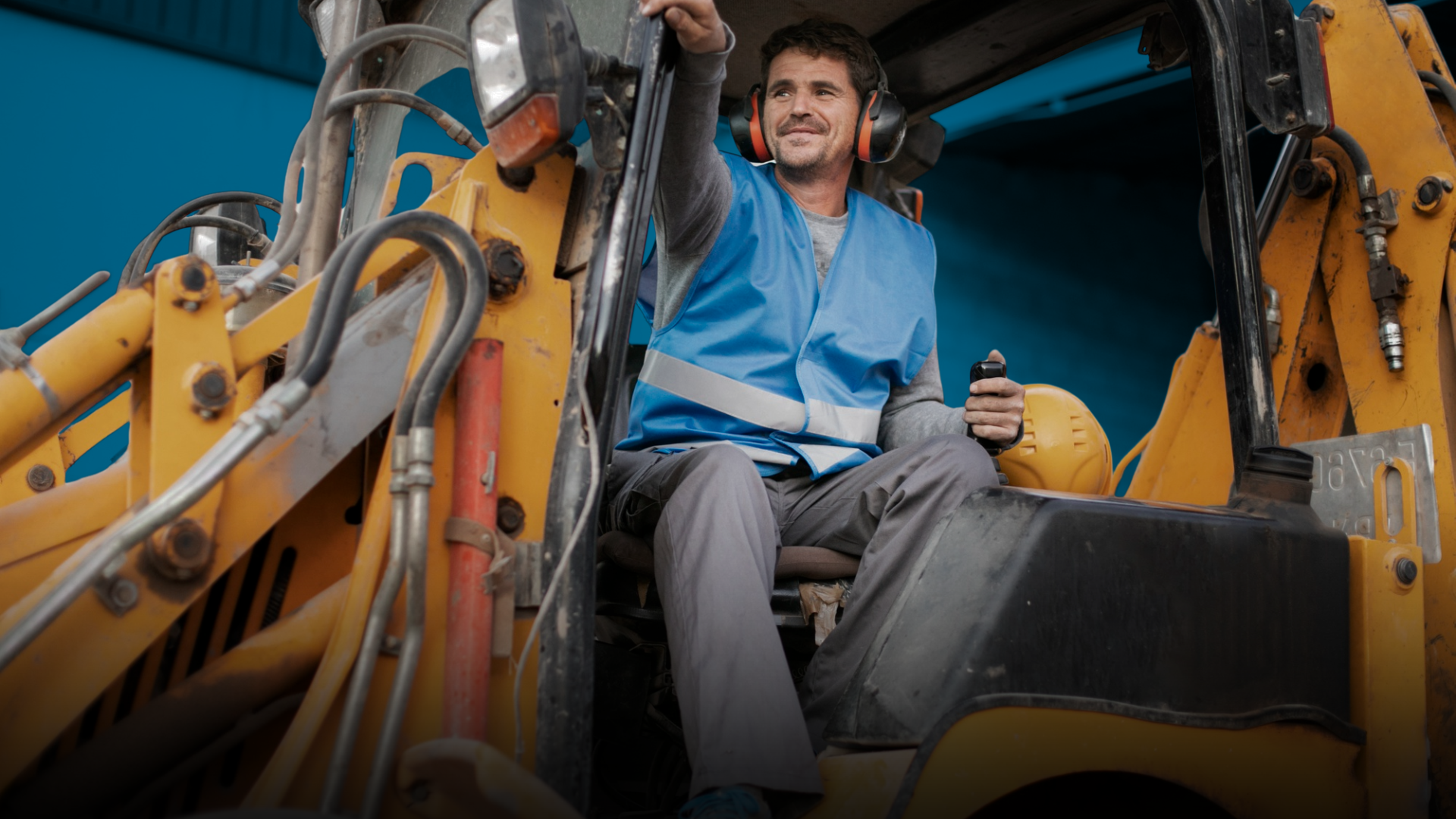
For many business owners in the United States, investing in new machinery, work vehicles, or specialized technology is essential for growth. But when it comes to making these purchases, one important question comes up: Should you pay for everything upfront, or is there a smarter way to acquire the equipment your business needs?
That’s where equipment financing comes in. It’s a valuable tool in commercial lending, yet one that many business owners still don’t fully understand.
What Is Equipment Financing?
Simply put, equipment financing is a type of business financing designed to help you purchase income-generating assets—equipment that supports your operations and helps your business generate revenue.
This can include everything from commercial trucks and heavy machinery to medical equipment, construction tools, and specialized technology.
Unlike many other types of business loans, equipment financing is tied to the asset being purchased. In most cases, the equipment itself serves as collateral for the financing.
Because the equipment helps support the business’s operations and earning potential, some lenders may offer more flexible qualification criteria than they would for unsecured financing. However, approval depends on the lender and your business’s financial profile.
5 Basic Requirements for Equipment Financing
Requirements vary by lender, but these are some of the key factors commonly considered:
An operating business: Some financing options may be available to businesses with as little as three months of active operations, although others require a longer business history.
Verifiable revenue: Lenders evaluate whether your business generates enough income to support the proposed payments.
Business bank statements: These help lenders understand your cash flow, deposits, and overall financial activity.
Owner and business identification: You may need to provide identification and basic business documentation.
An equipment quote or invoice: This helps the lender verify the equipment’s cost and understand what you intend to purchase.
Depending on the lender, other factors may include the owner's personal credit score, time in business, down payment, and the type and condition of the equipment.

When Does Equipment Financing Make Sense?
Financing equipment can be a smart move when the purchase helps your business generate revenue, improve efficiency, or take on more work.
It may make sense when the equipment:
Generates additional revenue: It helps you complete work or provide services that bring in more income.
Improves productivity: It helps you work more efficiently, reduce waste, or lower operating costs.
Expands your capacity: It allows you to accept projects or serve customers you couldn't accommodate before.

Real-World Examples
Construction: Purchasing a machine that allows you to take on larger contracts.
Transportation: Adding a truck to increase delivery capacity or serve more routes.
Restaurants: Upgrading kitchen equipment to prepare orders more efficiently and serve more customers.

Key Benefits of Equipment Financing
1. Preserve your cash flow
Instead of paying the full purchase price upfront, you can spread the cost over time and keep more cash available for payroll, inventory, and daily operating expenses.
2. Put essential equipment to work sooner
Depending on the lender and application process, financing may help you acquire the equipment you need without waiting until you've saved the full purchase price.
3. Potential tax benefits
Certain equipment purchases and financing arrangements may qualify for tax deductions or depreciation benefits under U.S. tax rules. Eligibility depends on your circumstances, so consult a qualified tax professional before making a decision.
When Does Equipment Financing Not Make Sense?
Financing isn't always the right choice.
It may not be a good fit if the equipment doesn't offer a clear business benefit or your current cash flow can't comfortably support the payments.
Before moving forward, consider the full cost of financing, including interest, fees, down payments, and any additional expenses associated with operating and maintaining the equipment.
The Golden Rule
The additional revenue and cost savings generated by the equipment should justify its total financing cost.
Don't focus only on whether you can afford the monthly payment. Consider how the equipment will affect your business's overall cash flow and profitability.
Final Thoughts
When considering new equipment, the most important question isn't simply, “Can I get financing?”
It's “Will this equipment help my business grow and generate enough value to justify the investment?”
When the numbers make sense, equipment financing can become more than a way to purchase machinery or vehicles. It can be a strategic tool for growing your business while keeping cash available for other needs.
💡 Thinking about purchasing or upgrading equipment for your business in the U.S.?
At Capifinders, we can help you explore financing options based on your business's needs and financial profile—with no pressure and a business-owner-to-business-owner approach.
Let's explore your options together.
Restore the stronger article titleAdd a clearer Capifinders next step
