
Equipment Financing: The Smart Strategy to Grow Your Business
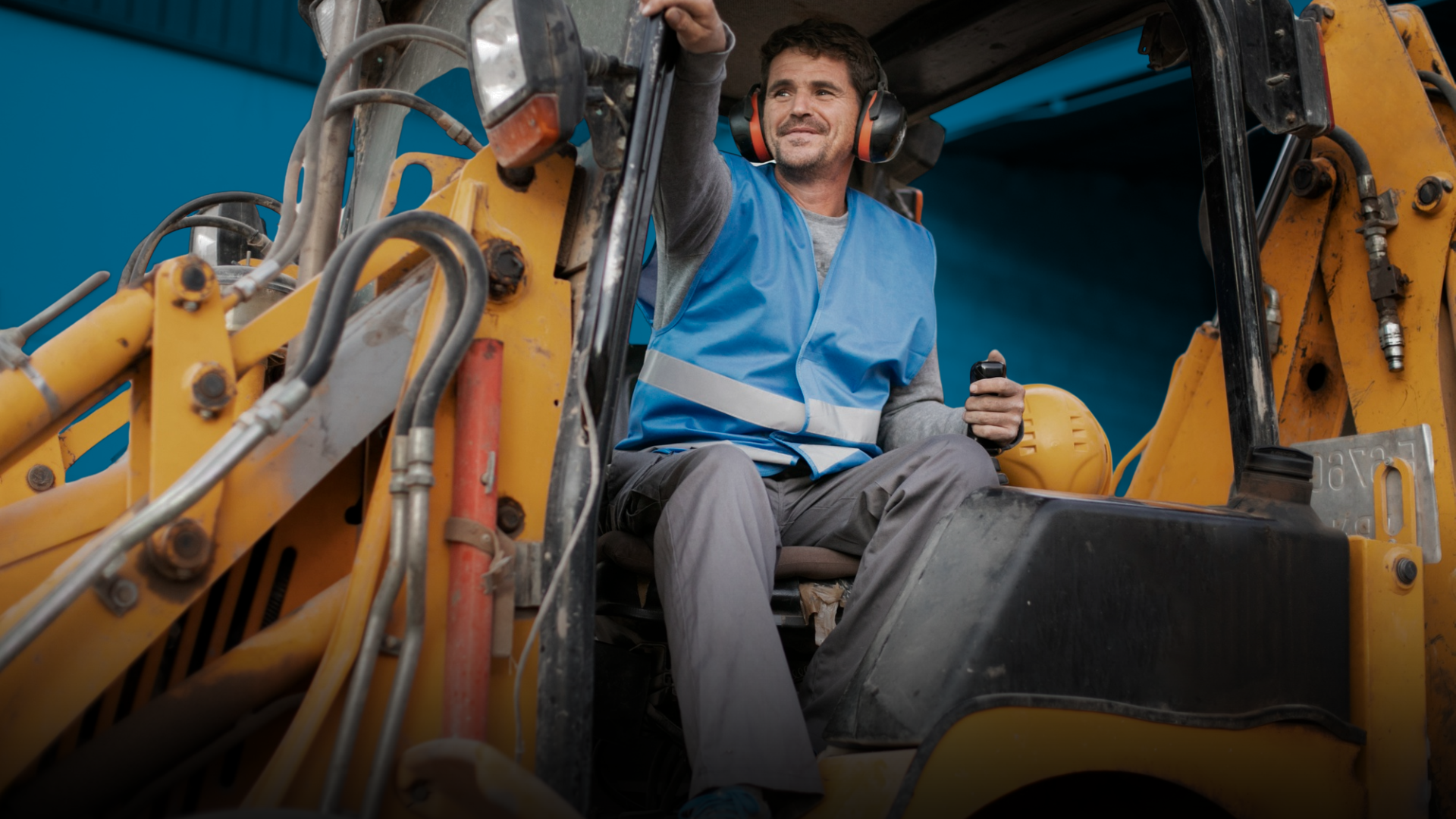
For many business owners, growth is directly linked to acquiring assets: heavy machinery, commercial vehicles, specialized tools, or cutting-edge technology. However, a critical question arises:
Does it make sense to pay for everything in cash?
While using cash might seem like the "safest" option, it is often the least strategic. In business, cash is oxygen, and tied-up capital cannot be used for emergencies or unexpected opportunities. This is where Equipment Financing becomes the engine your business needs.
1. What is Equipment Financing?
In simple terms, it is a loan designed specifically for the purchase of a productive asset. The key difference between this and a traditional loan is that the equipment itself serves as the collateral. The lender trusts that the new tool will help your business produce more and generate the necessary income to pay for itself.
2. The Pros: Why Financing is Better Than Buying in Cash
Financing offers several strategic advantages that go beyond just "getting the money":
Preserve Capital and Liquidity: Keep your cash on hand for day-to-day operations, marketing, or unforeseen emergencies. Don't freeze your "oxygen" in a fixed asset.
Tax Benefits: In many cases, financing payments or the equipment's depreciation can be tax-deductible (such as Section 179 in the U.S.), potentially reducing your overall tax burden.
Easier Upgrades: If your industry relies on fast-changing technology, financing (or leasing) allows you to upgrade to the latest models without the burden of owning obsolete/outdated machinery.
Fixed Payments: Enjoy predictable monthly payments that make budgeting and long-term financial planning much easier.
Build Business Credit: Successfully managing an equipment loan helps strengthen your business’s credit profile for future, larger investments.

3. What Do You Need to Qualify?
One of the greatest advantages of equipment financing is its flexibility. Even businesses with only 3 months of operation and a credit score starting at 600 can qualify. The basic requirements are:
An active business that is currently billing.
Verifiable income to ensure repayment capacity.
Business bank statements (usually the last 3 to 6 months).
Owner’s identification.
Equipment Quote (Invoice): This is vital so the lender understands the asset's value and how it fits into your operation.

4. When is it a Smart Decision?
Financing makes sense when the equipment generates direct income, significantly improves productivity, or allows you to accept contracts you currently cannot fulfill.
The basic math is simple: the additional revenue generated by the new machine should cover the loan payment and interest, leaving a net profit for the business. If the equipment produces value, it pays for itself.

Final Reflection
Your Machinery Should Be a Motor, Not an Anchor
At the end of the day, a business owner's success isn't measured by how many machines they own free and clear, but by how efficient their cash flow is at generating wealth. Buying equipment shouldn't be a sacrifice that leaves your accounts at zero; it should be a strategic decision where the asset works for you from minute one.
